Libreboot 26.10 Released with UEFI and Chromebook Support
Executive Summary
"Libreboot 26.10 arrives with the codename 'Ominous Olive,' shaking up the open-source firmware world by integrating the EDK2 UEFI payload by default. This major release tears down historical compatibility barriers and expands support to new hardware like Chromebooks."
The open-source boot firmware ecosystem has reached a major milestone with the release of Libreboot 26.10, playfully codenamed 'Ominous Olive'. This version brings sweeping changes to how the project handles low-level hardware initialization, most notably by adopting the EDK2 UEFI payload by default. By integrating this upstream framework, the project is breaking down historical barriers that once kept alternative operating systems away from strict libre hardware configurations.
Perhaps the most surprising expansion in this drop is the massive ingestion of 233 Intel and AMD Chromebook models, pulled directly from the MrChromebox coreboot ecosystem. Users of supported portable devices can now tap into open-source firmware paradigms, provided they compile from source. Furthermore, the build system has been carefully structured to automatically unlock Intel Flash Descriptor regions and handle the HAP bit to disable the Intel Management Engine at build time, prioritizing hardware sovereignty right out of the box.
Transitioning the default payload to EDK2 is a calculated shift that fundamentally changes the user experience. Traditional GRUB and SeaBIOS implementations are now wrapped as EFI builds inside EDK2 for backward compatibility. This design choice immediately expands software compatibility to modern operating systems that demand full UEFI environments, including Microsoft Windows, which was previously a non-starter on strictly configured libre setups.
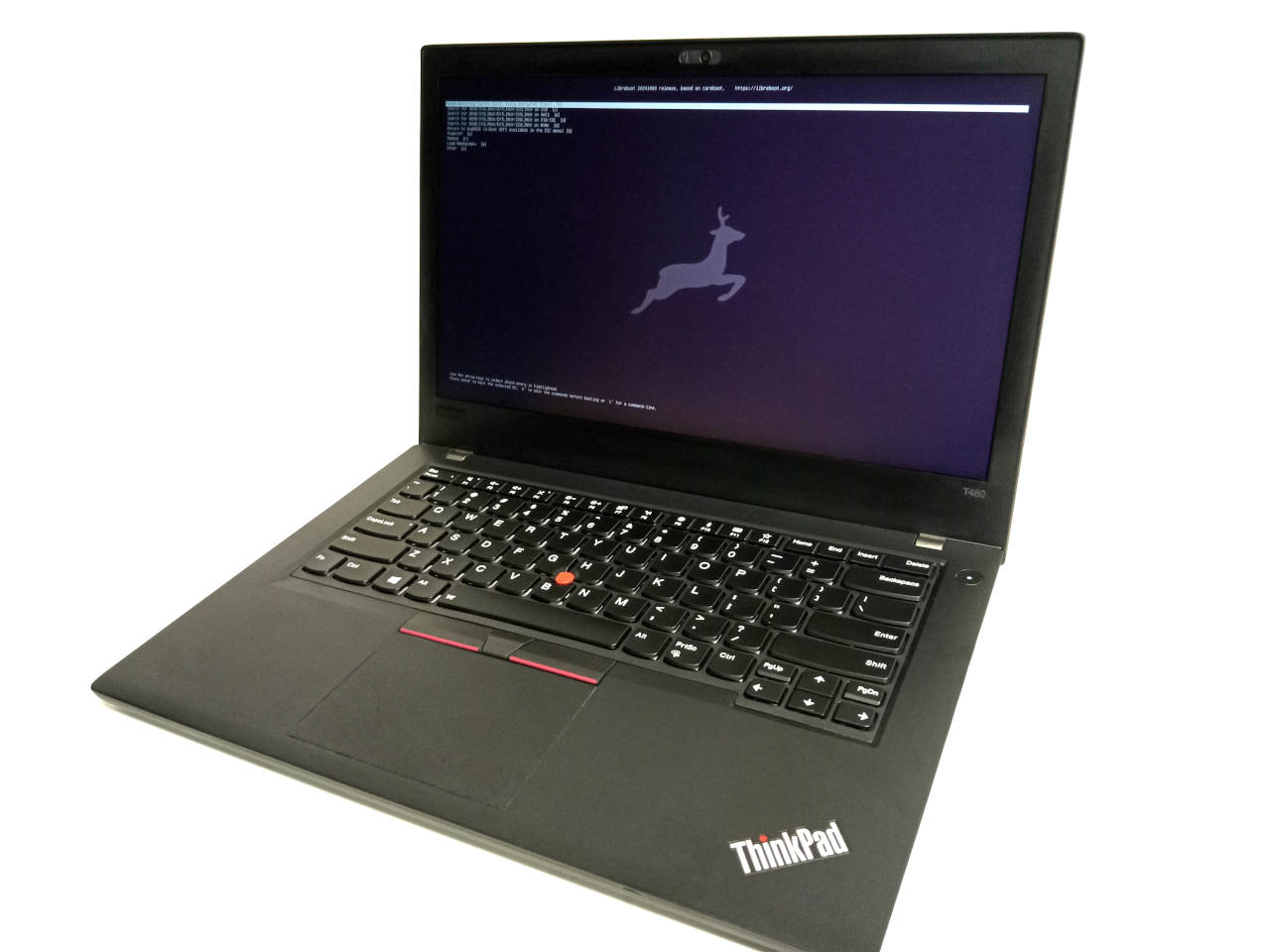
src="https://av.libreboot.org/t480/t480.jpg" alt="Libreboot supported hardware running modern firmware" class="w-full h-auto rounded-2xl shadow-lg border border-black/10 dark:border-white/10 object-contain max-h-[550px] mx-auto block" loading="lazy" /Libreboot supported hardware running modern firmwareIndustry analysts see this update as a pragmatic compromise between absolute software freedom and modern hardware utility. While purists might debate the heavy reliance on complex UEFI payloads like EDK2, the practical reality is that modern GPUs and peripheral hardware require standardized firmware interfaces to function reliably. By embracing these realities rather than fighting them, Libreboot ensures its relevance on mainstream consumer hardware.
Adopters should approach this update with caution and review the detailed project logs before flashing. Because legacy U-Boot x86 payloads have been completely removed and default boot paths have shifted, existing setups require careful migration planning. Nonetheless, version 26.10 represents a bold step forward in making open-source boot firmware accessible to a much broader audience of desktop and laptop owners.